
Wooden Pallets
CP1
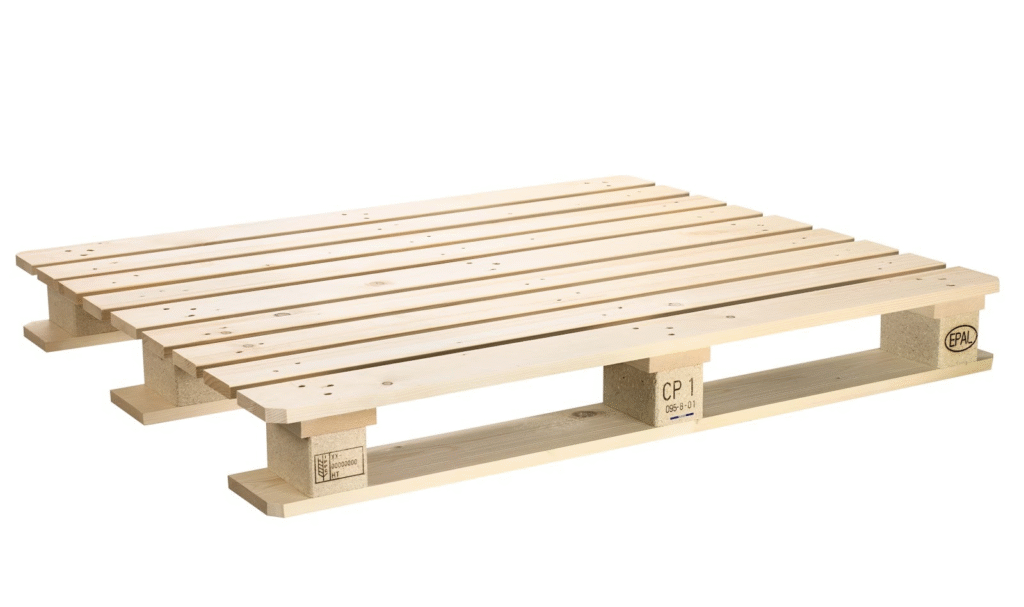
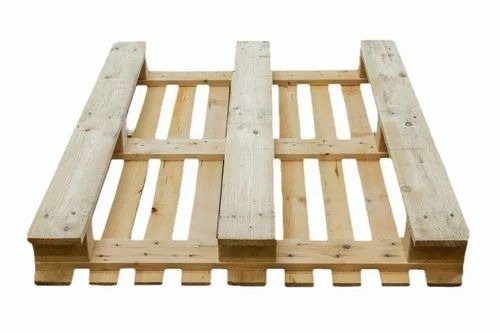
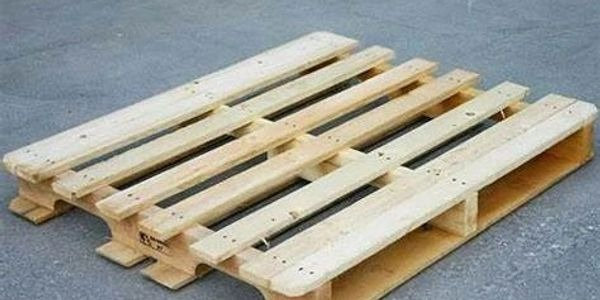
A CP1 pallet is a type of chemical industry pallet with standard dimensions of 1200 x 1000 x 138 mm (length x width x height). It’s a four-way entry pallet, meaning it can be accessed by forklifts or pallet trucks from all sides. These pallets are commonly used for transporting and storing goods, particularly in the chemical industry, and are designed to be robust and stackable.
| Key Specifications | |
|---|---|
|
Dimensions |
1200 mm (length) x 1000 mm (width) x 138 mm (height)
Weight: Approximately 25 kg.
|
|
Dynamic Load Capacity |
1500 kg (may vary, check specific manufacturer data)
|
|
Static Load Capacity |
2700 kg (may vary, check specific manufacturer data)
|
|
Entry Type |
Four-way entry
|
|
Material |
Typically made of wood, but can be plastic.
|
|
Standard |
Meets ISPM 15 standard for heat treatment. |
|
Additional Details |
|
|
Nestable |
No |
|
Rackable |
Yes, with a maximum load of 1400 kg (may vary, check specific manufacturer data). |
|
Stackable |
Yes |
|
Corners |
Four corners are cut, and the soles are chamfered. |
|
Applications |
Primarily used in the chemical industry for transporting and storing various materials. |
|
Variants |
CP1 pallets come in different versions, including medium and heavy-duty options with varying racking loads. |
CP3
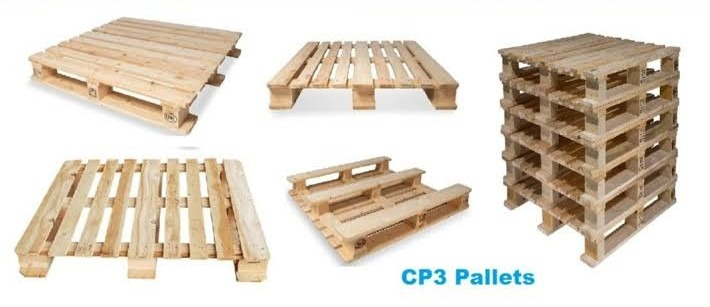
A CP3 pallet is a standardized, square wooden pallet with dimensions of 1140 x 1140 mm, designed primarily for the chemical industry. These pallets are robust, often used for transporting drums, containers, and sacks.
| Key Specifications | |
|---|---|
|
Dimensions |
Length: 1140 mm (approximately 45 inches)
Width: 1140 mm (approximately 45 inches)
Height: Varies, but often around 138 mm (5.4 inches), according to some product listings
|
|
Key Features |
Four-way entry: Forklifts can access the pallet from any side. Open bottom deck: This allows for easy access and handling. Robust construction: Designed to handle heavy loads. Standardized: Part of the CP (Chemical Pallet) system, ensuring compatibility and ease of handling within the industry. |
|
Material |
Typically made of wood, but plastic and composite versions may exist.
|
|
Entry Type |
Four-way entry
|
|
Material |
Typically made of wood, but can be plastic.
|
|
Applications |
|
|
Chemical industry |
Primarily designed for the safe transport and storage of chemicals, including drums, containers, and big-bags.
|
|
General use |
While primarily for chemicals, they are also suitable for transporting other goods like cartons and boxes.
|
|
Load Capacity |
CP3 pallets can typically support a static load of up to 1500 kg and a dynamic load of up to 1000 kg, but this can vary based on the specific construction and materials used.
|
|
Other Considerations |
|
|
ISPM 15 treatment |
CP3 pallets are often heat-treated or otherwise treated to meet international standards for wood packaging, such as ISPM 15, for export. |
|
Pooling |
Some companies offer CP3 pallets as part of a pooling service, allowing for reuse and reducing waste.
|
SOLID DECK ( Close Boarded)
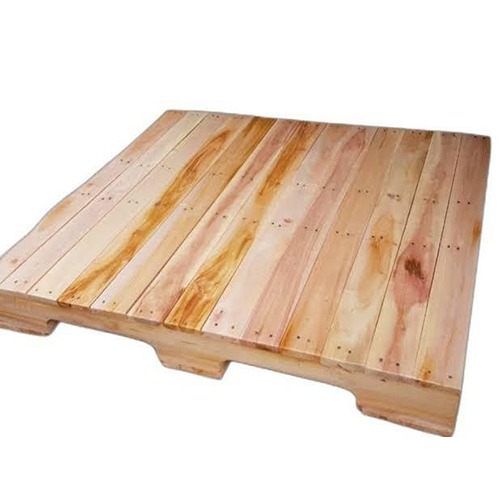
This is a heavy-duty, solid deck wooden pallet (close-boarded), 2-way entry, approx. 1200 x 1000 mm, load capacity up to 1500–2000 kg.

| Key Specifications | |
|---|---|
|
Type |
Solid Deck Pallet (Close Boarded)
Top surface fully covered with wooden planks (good for smaller cartons, bags, or loose items).
Strong and durable, often used for heavy goods.
|
|
Material |
Made from mixed hardwood
Natural finish (can be heat treated for export compliance, ISPM-15 standard).
|
|
Entry Type |
Likely 2-way entry (forklift access from front and back only).
Can also be modified to 4-way if required.
|
|
Standard Sizes |
1200 x 1000 mm (Asia/Euro Standard)
1000 x 1000 mm (Square pallet)
Customized sizes available (yours looks custom-made and a bit wider).
|
|
Load Capacity |
Static load: 1500 – 2000 kg
Dynamic load: 1000 – 1200 kg
|
|
Finish Options |
Natural (untreated) – for warehouse use
Heat Treated (ISPM-15) – required for export shipments |
|
Chemical industry |
Primarily designed for the safe transport and storage of chemicals, including drums, containers, and big-bags.
|
|
General use |
While primarily for chemicals, they are also suitable for transporting other goods like cartons and boxes.
|
STANDARD WOODEN STRINGER PALLET:
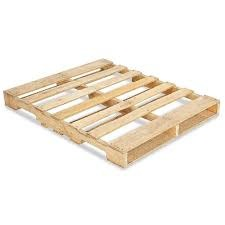
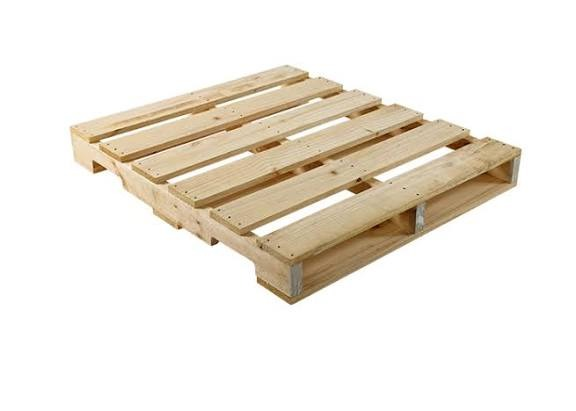
The image depicts a standard wooden stringer pallet, commonly known as a GMA (Grocery Manufacturers Association) pallet. This type is widely used in North America for shipping and storage in industries like grocery, retail, and manufacturing. It features a rectangular design with multiple deck boards on top and bottom, supported by three stringers (vertical supports). Based on visual analysis and standard specifications, it appears to be a 47″ x 43″ pallet with 4-way fork access, constructed from heat-treated wood. Below are the detailed specifications, drawn from industry standards.
| Key Specifications | |
|---|---|
|
Dimensions |
Overall Size:
47″ length (along the stringers) x 40″ width (along the deck boards) x approximately 4.75″ to 6″ height also available in customized sizes.
|
|
Material and Construction |
Material:
Made from new or recycled heat-treated wood (often softwood like pine or hardwood mixes), compliant with ISPM 15 standards for international export (no fumigation required). The wood is kiln-dried or heat-treated to prevent pests.
|
|
Type |
Stringer pallet (supported by three parallel stringers, with notches cut into the stringers for 4-way entry). This differs from block pallets, which use blocks instead of stringers.
|
|
Entry Points |
4-way forklift and pallet jack access (two ways from the 43″ sides and two from the 47″ sides via notches). Fork openings are typically on the width side.
|
|
Assembly |
Boards are nailed or fastened to the stringers. The design is stackable and reusable, with certification stamps on the sides indicating heat treatment compliance.
|
|
Weight |
Approximately 35-55 lbs (15-25 kg), depending on wood species, moisture content, and exact configuration. Moisture can affect weight by up to 10-15%. |
|
Load Capacity |
Dynamic Load (Forklift/Moving):
800 – 1200 (evenly distributed).
|
|
Static Load (Floor/Stacked): |
1500 – 2000 (evenly distributed, not in motion).
|
|
Racking Load |
Typically 800 – 1500 (when supported on edges in a rack system), though this varies by configuration. |
|
Additional Details
Usage:
|
Ideal for one-way or multi-trip shipping, pooling systems (e.g., CHEP), and automated warehouses. It’s the most common pallet size in the U.S., accounting for about 30% of all pallets produced. |
|
Variations |
While this matches the standard North American “American” pallet (47″ x 43″), equivalents in metric are 1200mm x 1100mm (slightly different). Some are block-style for heavier duties. |
|
Sustainability |
Often made from sustainable wood sources; recyclable or repairable to extend lifespan
|
OPEN BOARD (BLOCK PALLET):
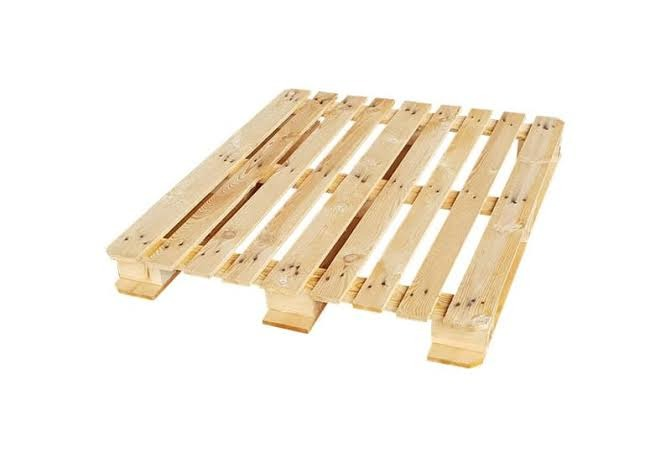
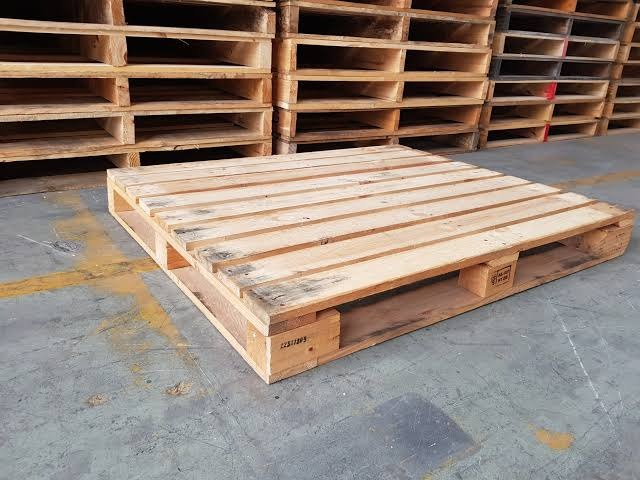
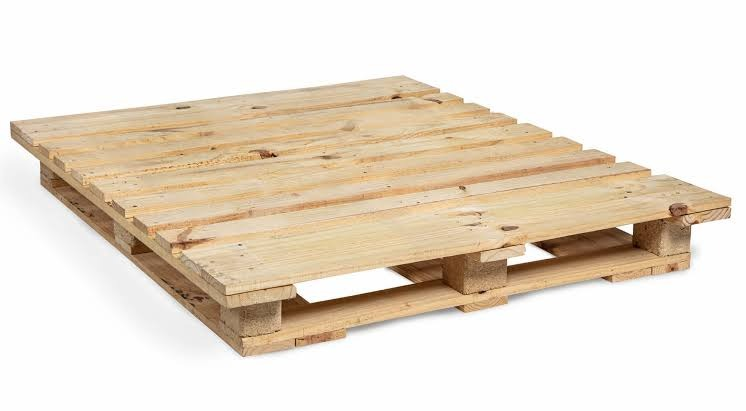
This is a standard wooden pallet (also known as an open-board or euro-style pallet). Here are its general specifications:
| Key Specifications | |
|---|---|
|
Material |
Soft wood
Heat-treated (HT) or fumigated as per ISPM-15 for export
|
|
Design |
Type: 2-way entry pallet (can be lifted from two opposite sides)
Top Deck: Open board (slatted) with multiple wooden planks
Bottom Deck: Typically 3 parallel stringers (blockless design)
|
|
Standard Sizes (common international sizes): |
1200 × 800 mm (Euro Pallet)
1200 × 1000 mm (ISO Standard Pallet)
1100 × 1100 mm (Asian Standard)
Custom sizes available on request
|
|
Load Capacity |
Static Load: 1500 – 2000 kg
Dynamic Load: 1000 – 1200 kg
Racking Load: 600 – 800 kg (depends on wood strength & design)
|
|
Weight |
15 – 25 kg (depending on size & thickness of planks) |
|
Usage |
Suitable for warehouses, logistics, exports, stacking, racking, and transport of goods
|
|
Treatment Options |
Heat Treatment (HT) for export compliance
Fumigation (MB) if required by destination country
|